


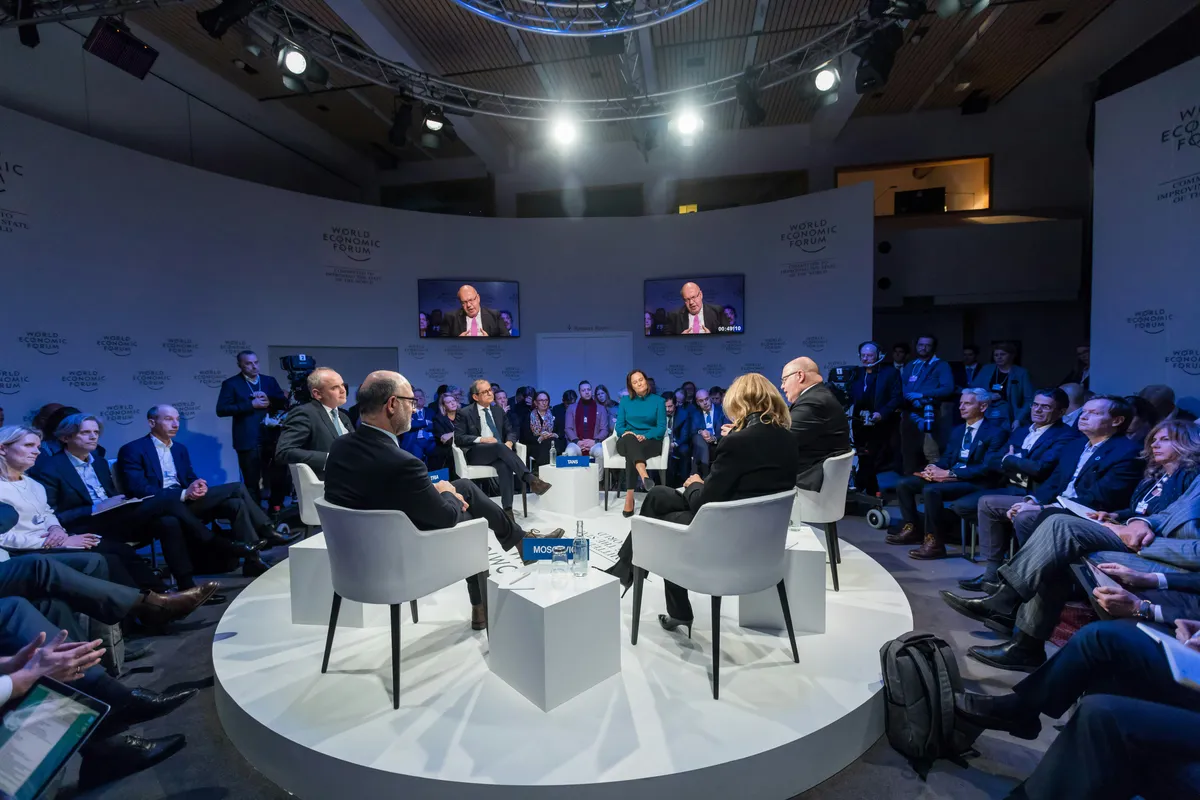
I've Been on Plenty of Panels. Moderating Is a Different Game.
What I learned about asking better questions, managing my own opinions, and creating conversations worth having.
I've been on plenty of panels and podcast interviews throughout my career. Sharing my experiences and offering my perspective on everything from marketing strategy to employee culture, to emerging technology and more.
But recently, I had the opportunity to experience the other side of the conversation.
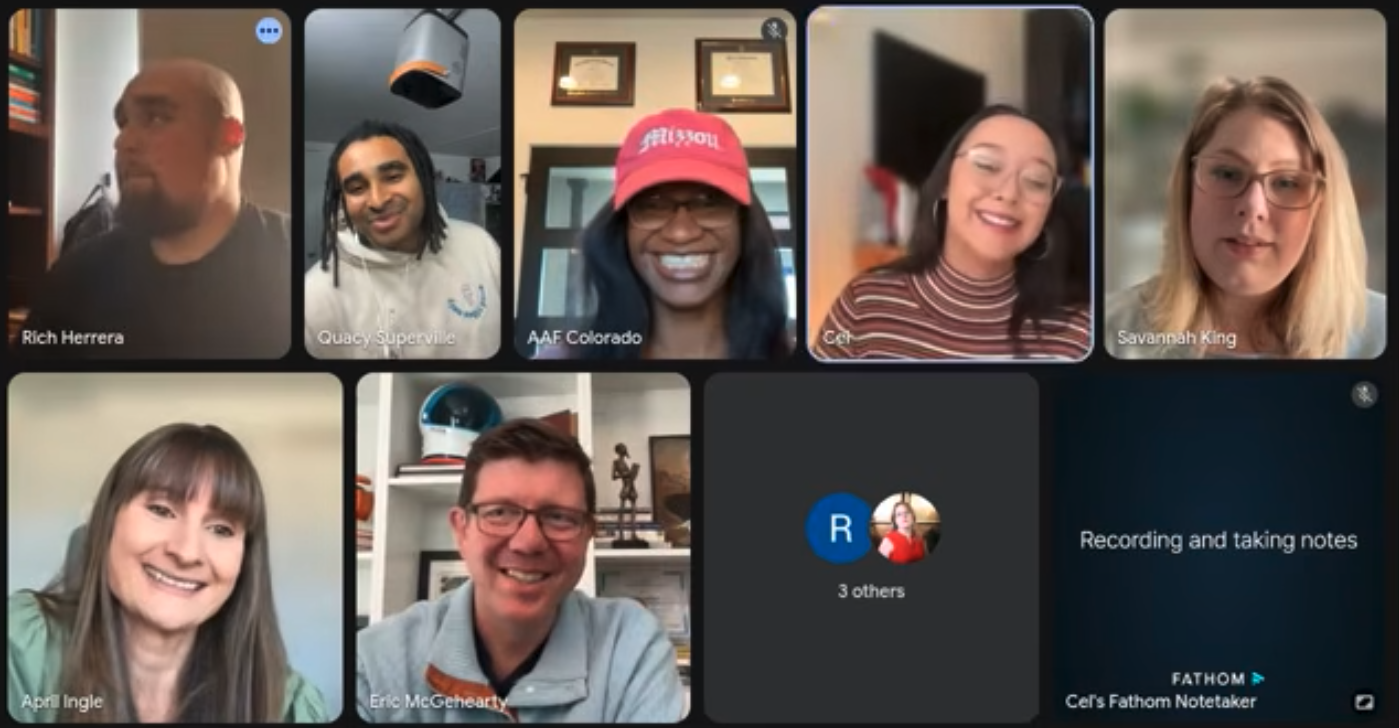
On October 17th, I moderated AAF Colorado's S.P.A.M. Panel, bringing together seasoned professionals from Social, Public Relations, Advertising, and Marketing to discuss what's changing in the industry, how AI is shaping our work, and what meaningful results look like today.
And I learned something pretty quickly.
Being a good moderator isn't just about having the best questions. It's about knowing what to do with the answers.
Especially when you don't fully agree with specific responses, but don't wish to alienate your panelists.
I've summarized this post into digestible sections incase you want to skip ahead.
The Moderator Has a Different Job
A Simple Panel Planning Template You Can Steal
Step 1: Decide what the audience should learn
Step 2: Know what each panelist brings
Step 3: Build your run of show
Step 4: Prepare questions in three layers
Step 5: Give the panel a shared problem
Step 6: Listen for the question you didn't prepare
The Moments I Wanted to Push Back
The Moderator Has a Different Job
When you're a panelist, your job is to share what you know.
When you're a moderator, your job is to help everyone else share what they know, while making sure the audience gets something useful.
That sounds simple until you're managing four different personalities, a tight agenda, audience questions, and your own urge to jump into the conversation.
I knew I wanted this panel to feel different from a series of mini-interviews. With real examples, honest opinions, and moments where the panelists could challenge each other's thinking.
So I spent a good amount of time preparing the run of show, and that preparation turned out to be one of my favorite parts of the experience.
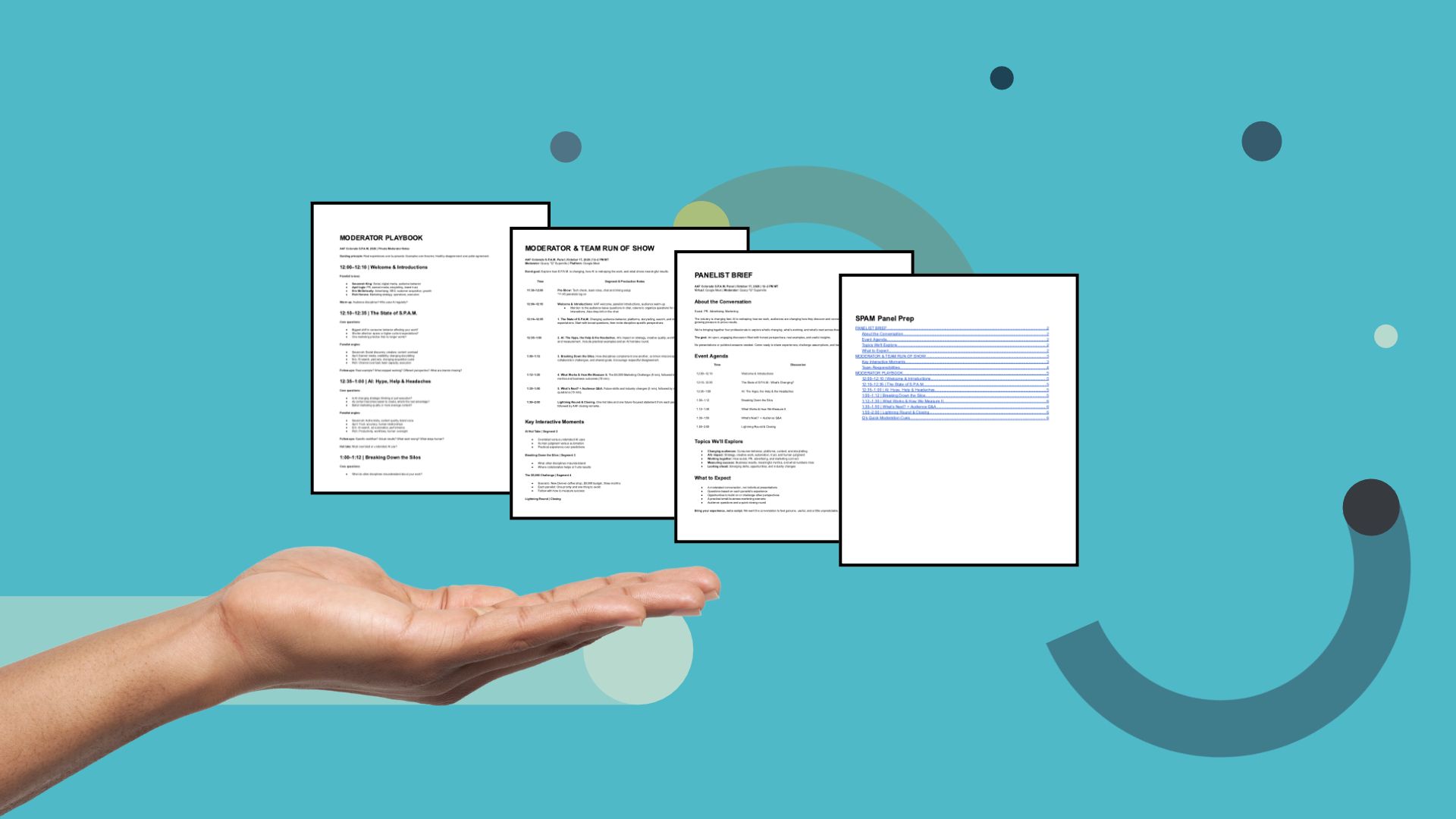
I Built Three Versions of the Run of Show
Instead of sharing one giant agenda with everyone, I created three versions.
The panelist brief - included the topics, timing, and goals, but not the exact questions. I wanted the panelists prepared without giving them a reason to rehearse every answer.
The team run of show - covered the schedule, transitions, interactive moments, and supporting team roles. Everyone helping with the event could see what was supposed to happen and when so they can better anticipate where help would be needed.
The moderator playbook - the detailed version of the team run of show. I had opening questions, panelist-specific prompts, follow-ups, and ways to push the conversation deeper. The important part was remembering that the playbook wasn't a script, but more of a guide on how we'd keep the conversations interesting and the show moving.
Preparation gave me the freedom to listen instead of worrying about what to ask next.
And some of the most interesting moments happened when I had to decide whether to follow the conversation or find ways to challenge it.
A Simple Panel Planning Template You Can Steal
If you're preparing to moderate a panel, here's the process I'd recommend.
Step 1: Decide what the audience should learn
Start with the purpose, not the questions. Ask yourself:
What should someone understand or be able to do after this conversation?
Step 2: Know what each panelist brings
Identify each person's experience and perspective.
Don't ask everyone every question, instead use their differences to create a richer discussion. I think I did a decent job at this, but I think there was room to do better.
Step 3: Build your run of show
For a 60-minute panel, here's a simple starting point:
Time | Segment |
|---|---|
0–5 minutes | Welcome and introductions |
5–20 minutes | What's changing? |
20–35 minutes | Challenges and different opinions |
35–45 minutes | Real-world scenario |
45–55 minutes | Audience Q&A |
55–60 minutes | Final takeaways |
Step 4: Prepare questions in three layers
Opening question: Gets the conversation started.
"What's one major change you've seen in your industry?"
Follow-up question: Gets a real example.
"Can you tell us about a time that changed how you work?"
Challenge question: Tests an assumption.
"Does anyone have a different experience?"
You don't need to ask every question you've prepared.
Step 5: Give the panel a shared problem
Create a scenario with a clear goal and a realistic constraint. For example:
"A local business has $25,000 and 90 days to increase sales. What would you do first?"
Then ask what they'd avoid and how they'd measure success.
For a second round, cut the budget in half and ask what they'd keep.
We'd learn a lot more about how they think, which would help the audience a little bit more in tackling their own scenarios.
Step 6: Listen for the question you didn't prepare
This might be the most important step.
When someone shares an unexpected opinion or a real example, don't rush to the next item on your list.
Get curious. That's often where the best part of the discussion begins.
The Moments I Wanted to Push Back
There were a few points during the discussion when I had a very different perspective from what was being shared.
My instinct was to jump in, but I was there to moderate, not turn the event into a debate between me and the panelists.
So I tried to bring in other perspectives instead.
Looking back, I think that was the right instinct but I also could have done a better job of using those disagreements to create more interesting lines of conversation.
Is email marketing really dead?
During our discussion about marketing tactics that no longer work, one panelist raised concerns about how much harder cold email, LinkedIn outreach, and cold calling have become.
And I agree with that comment, partially.
Getting someone's attention through those channels is harder than it used to be, but I don't agree that email or direct outreach is dead. For many businesses, email remains a valuable channel for generating leads, nurturing relationships, and driving sales.The problem isn't always the channel.
Sometimes it's the message, the audience, the timing, or the complete lack of a good reason for someone to respond. Sending 500 generic LinkedIn messages isn't a strategy, but a great way to make 500 people wish you hadn't found their profiles.
A thoughtful message to the right person, about a problem they actually care about, is a different story.
The follow up question I wish I'd asked, "Is the channel becoming less effective, or have people become less willing to tolerate bad outreach?"
That would have been a great opportunity to hear whether other panelists had seen different results and would have helped the audience think about the conditions that make a tactic work, rather than simply labeling it dead.
My takeaway: When a panelist makes a strong claim, don't rush to disagree. Ask a question that tests the claim or elicits alternate perspectives on the matter.
Are we underestimating what's possible with AI?
AI was one of the biggest topics of the panel, and we had some great examples of how teams are using it.
One panelist offered a memorable take:
"AI, I think, is a great assistant and a terrible author."
I understand the point completely, because AI-generated content can definitely sound generic. It can miss the brand's voice, especially without human judgment.
Another panelist shared an example of someone taking an older marketing plan, running it through ChatGPT, and presenting the output as a new strategy. Definitely not a great use of AI.
But here's where I see things a little differently, I think many people are still judging AI by what happens when they give it a basic prompt, rather than what it can do when it's properly built into a workflow.
There's a big difference between asking AI to write a marketing plan from scratch and giving it the right business context, examples, standards, and clear steps to follow.
AI doesn't remove the need for strategy, but when you already understand the strategy, it can help you move from an idea to a useful first draft much faster.
I've been exploring this firsthand.
Earlier this year, I created an AI Field Guide to help small-business owners and solo professionals get more useful results from AI. A major part of that guide focuses on giving AI the right context before asking it to do the work. And the worksheets in this guide, along with some custom tools that make how you use whichever AI model more relevant and accurate.
My strategic web development and seo partner and I have also been using AI-assisted workflows to speed up how we develop simple, SEO-optimized websites for solo entrepreneurs and small businesses. By combining our experience with a more structured process, we've been able to produce a first website draft in as little as four days.
That's not a finished website delivered by magic AI, trust me we've seen enough horrible examples of those... What we do is get to a faster starting point that still needs human review, design judgment, technical checks, and client feedback.
But it changes how quickly we can get meaningful work in front of a client, and that's the kind of AI discussions I think we need more of.
Not just, "Can AI write a blog post?" But, "What part of this process is taking too long, and how can we improve it without sacrificing quality and human connection?"
The question I wish I'd asked:
"Are we judging AI based on its limitations, or based on how well we've learned to use it?"
That's a much more interesting conversation.
If you're a small-business owner wondering where to start, my AI Field Guide walks through practical ways to give AI better context and build it into everyday work. You can explore more at shop.marketingQs.com
The best marketing answer sometimes starts with another question.
One of my favorite moments came during our $5,000 Marketing Challenge.
I gave the panel a simple scenario:
A Denver coffee shop has $5,000 to spend over three months, with the goal of bringing more customers through the door. What should they focus on to make the most of their efforts?
Before recommending a campaign, one panelist asked whether the business already had a rewards program and customer list. That was exactly the kind of response I hoped the exercise would produce, because the right marketing plan depends on what the business already has, who its customers are, and what it's trying to accomplish.
We also heard an interesting point about how traditional PR might not be the right investment for that particular business, given budget and timeline constraints. An expert explaining when not to use their specialty is often more valuable than another list of tactics.
One thing I'd change next time? The budget.
Five thousand dollars made the exercise realistic for a small business, but it also limited the conversation. With that little to spend over three months, some recommendations were ruled out before we could really explore them. Next time, I'd consider giving the panel a $25,000 budget.
That's enough to open up more interesting choices between paid advertising, social media, PR, content, and other marketing efforts, but still limited enough to force tradeoffs.
I might even introduce a second round: "Your budget just got cut in half, what stays, what goes, and why?"
A good interactive exercise shouldn't just reveal what people recommend, I think it should reveal how they make decisions when resources are limited or real life circumstances change.
My takeaway: Good marketing starts with understanding the problem, not picking the channel. And a good moderator creates scenarios that make people explain their thinking.

What I'd Do Differently Next Time
I enjoyed the experience enough that I'd absolutely do it again, but I also walked away with a few things like the interactive budget exercise I want to improve.
First, I'd make more room for disagreement of perspectives and approaches.
Not arguments for the sake of arguments, I mean the kind of respectful pushback that helps people see a problem from another angle.
Instead of moving on when I hear something I disagree with, I want to get better at asking:
"Does anyone have a different experience?"
"Under what conditions would that advice not work?"
"Is that true for every business, or mainly the ones you're working with?"
"What evidence would change your mind?"
Those questions challenge ideas without making the conversation personal.
Second, I'd leave more breathing room in the agenda.
We had a lot to cover, and some discussions deserved more time than I'd originally planned.
Next time, I'd rather have fewer questions and more space for good answers.
Third, I'd design interactive exercises that create more debate.
The $5,000 coffee shop challenge worked, but as I mentioned, a larger budget would have opened up more possible strategies. Adding a surprise constraint, like cutting the budget halfway through, could make the discussion even more interesting.
Fourth, I'd pay closer attention to moments of tension.
When someone says something bold, surprising, or questionable, that's often where the most interesting conversation begins. The trick is recognizing it quickly enough to explore it without losing control of the discussion.
Excited For More Conversations Like This
Moderating the AAF Colorado S.P.A.M. Panel gave me a new appreciation for the work that happens behind a good conversation.
It's part preparation, part curiosity, part time management, and part knowing when to get out of the way.
I enjoyed connecting different perspectives, digging into real examples, and helping the audience explore questions that don't always have simple answers. Especially the challenge of listening to ideas I didn't fully agree, with while finding ways to keep the conversation open and engaging.
That's something I want to keep getting better at, as the experience got me thinking about where else these skills could take me.
Moderating a panel, hosting a podcast, and leading a radio conversation all have something important in common:
Asking good questions, listening closely, and making the conversation interesting for people who aren't in the room. And that's the part I really enjoy.
So yes, I'm absolutely open to moderating more panels, but I'm also interested in opportunities to host or co-host podcasts, radio shows, and other conversations about marketing, technology, business, health, life and the ideas shaping how we work.
I don't need to be the person with every answer, sometimes the most valuable role is being the person who knows how to bring out the best answers from others by knowing which question to ask next.
A big thank-you to AAF Colorado, our four panelists, and everyone who helped make the event happen.
If you want to hear the full conversation, reach out and I'll share the full YouTube recording once it's ready.
And if you're planning a panel, producing a podcast, developing a radio show, or looking for a co-host who enjoys thoughtful questions, healthy debate, and the occasional hot take, I'd love to connect.
Find me at meet.marketingQs.com.


